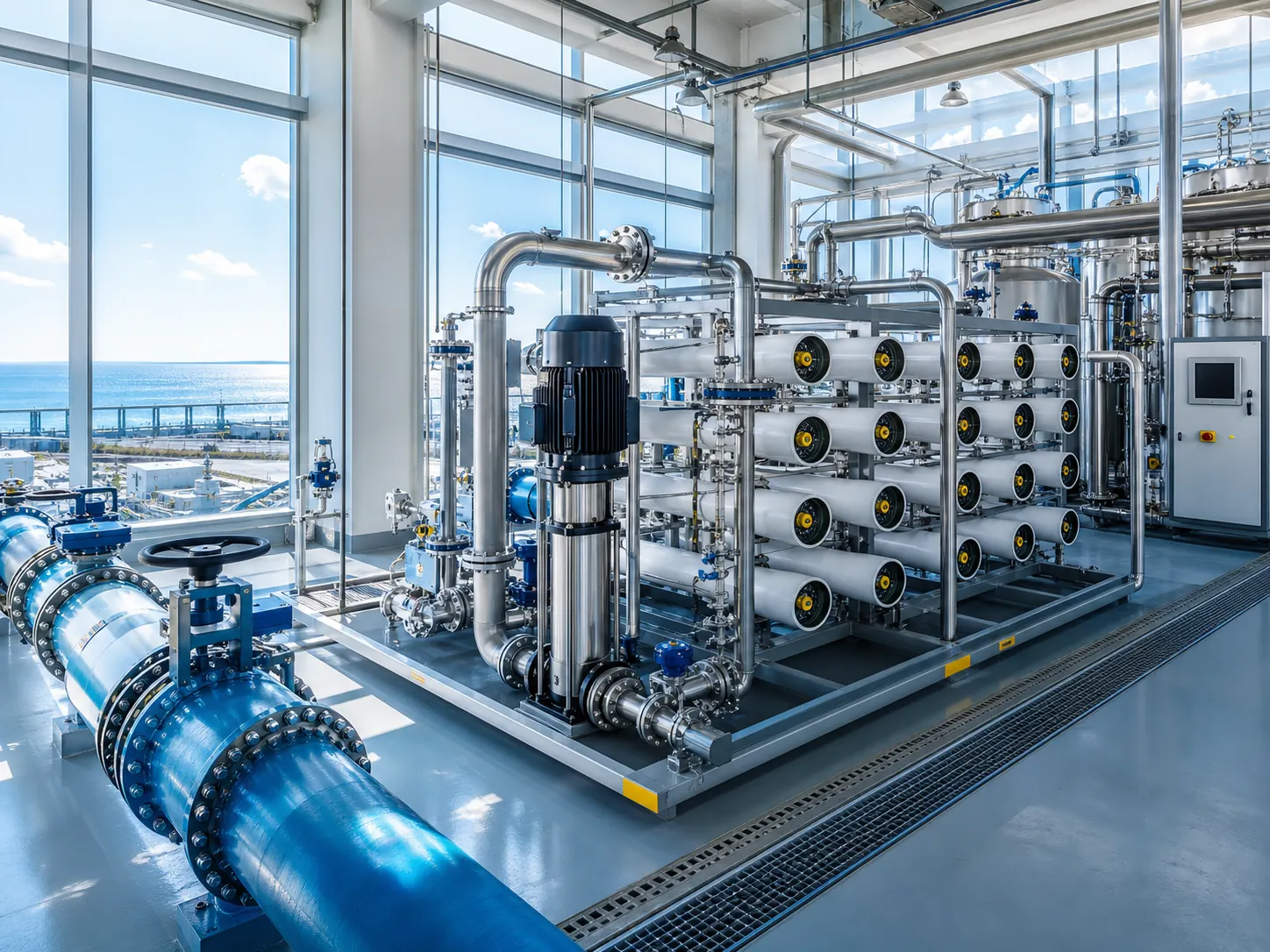
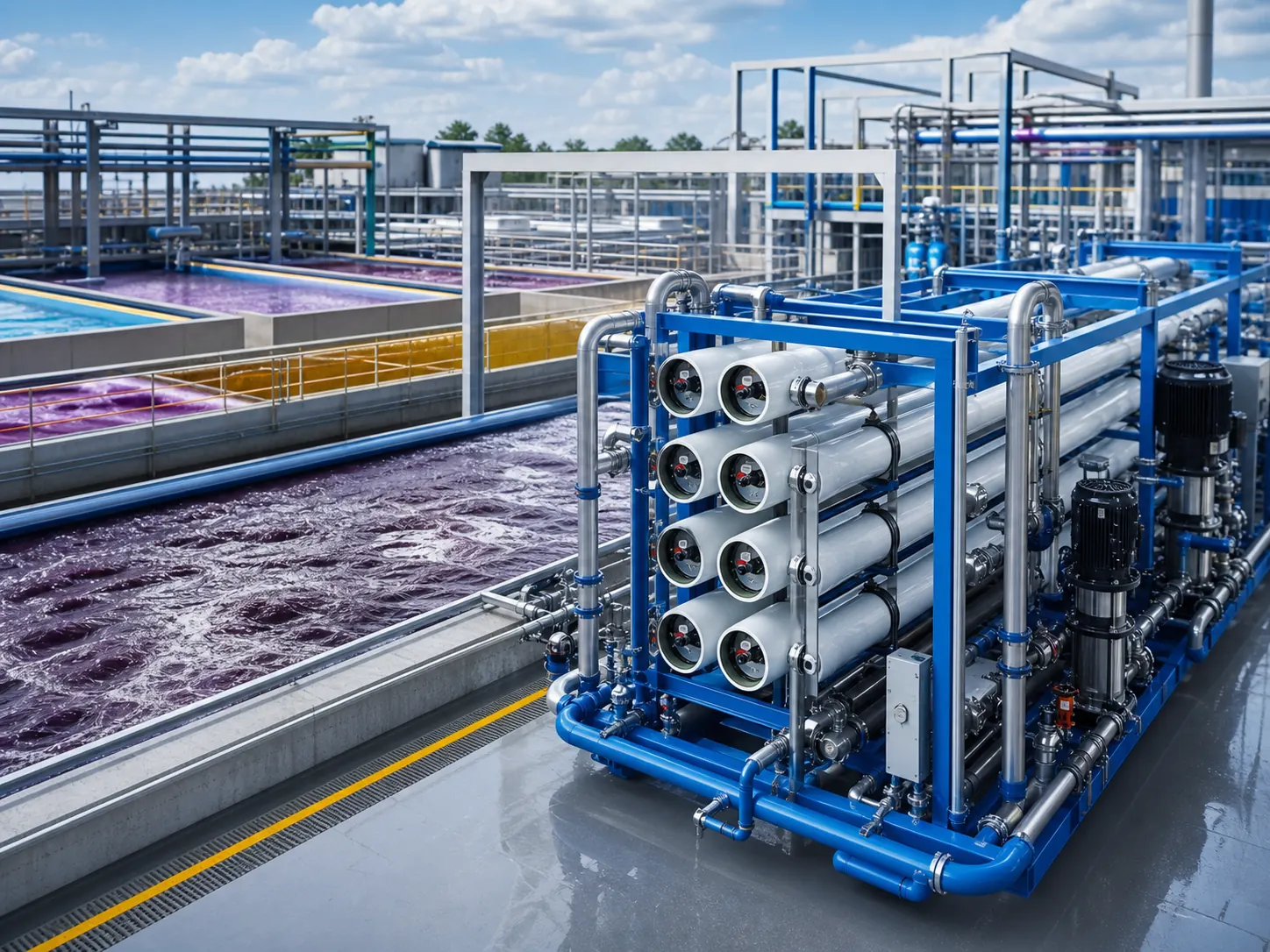
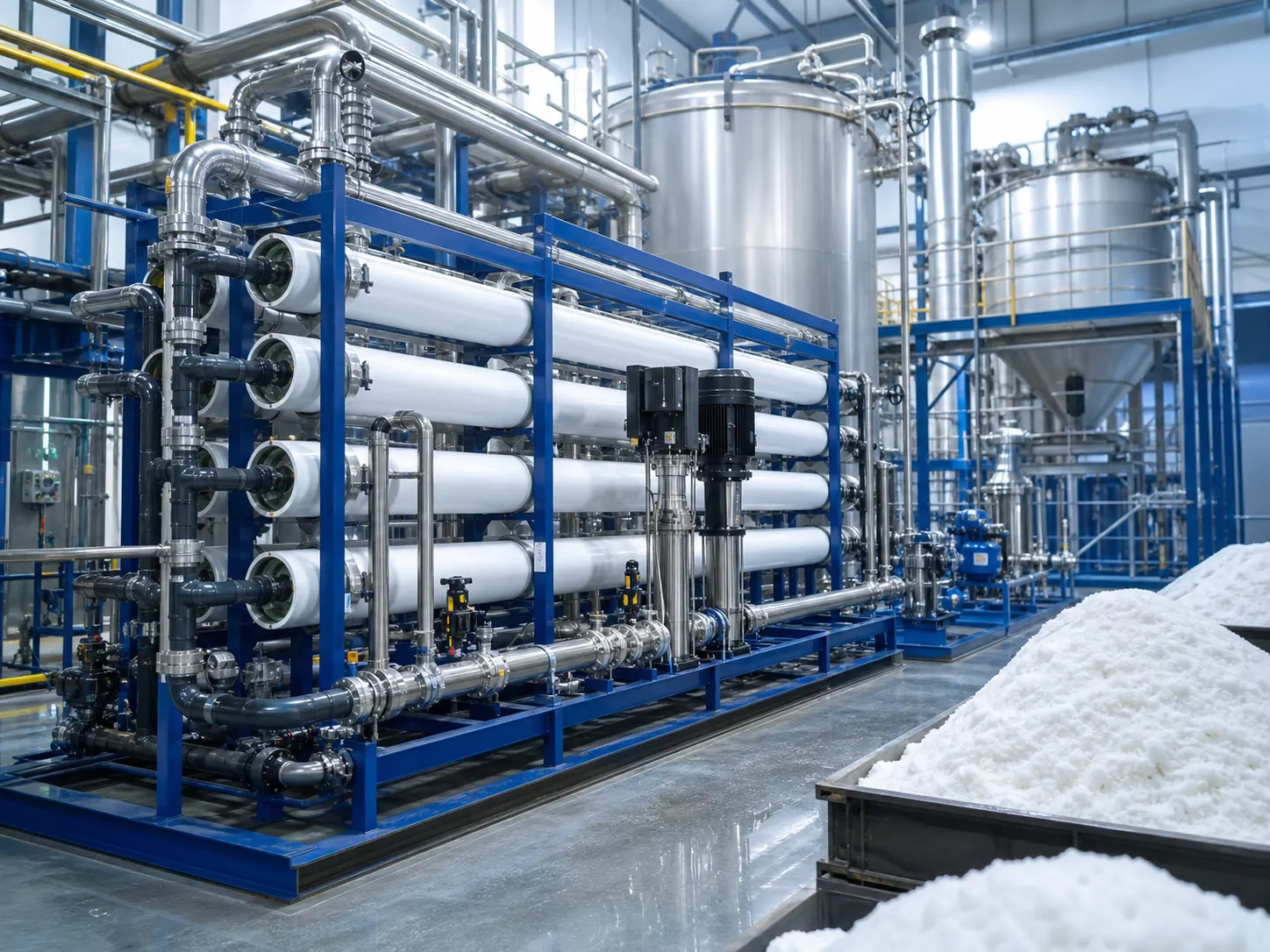
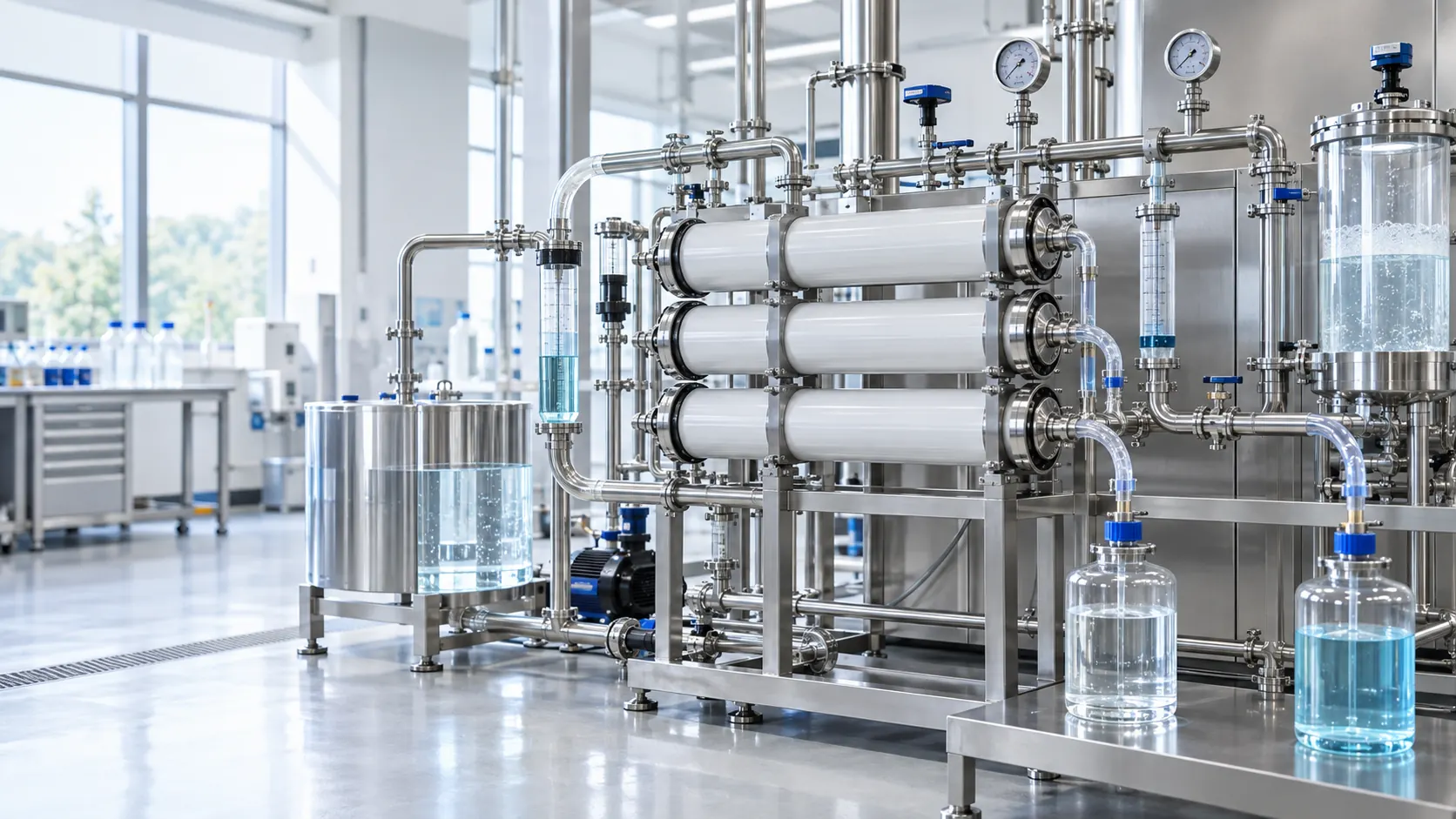
Seawater and Brackish Water Desalination Project
AQUA/SORA series is designed for coastal industrial make-up water, island water supply and high-salinity groundwater desalination.
Industry Solutions
From seawater desalination and electronics ultrapure water to textile wastewater reuse and near-ZLD, Daltonen recommends membrane combinations based on feed water, treatment targets and operating limits.
Applications
Each industry page highlights the challenge, membrane approach and recommended products so you can quickly judge project fit.

High-pressure seawater desalination membrane solutions for coastal industrial make-up water, island water supply and municipal backup sources.
High-TDS seawater, temperature fluctuation, biofouling risk and long-term pressure-resistance requirements.
AQUA/SORA series uses a pressure-resistant support layer and dense thickened skin layer, balancing high rejection (99.85%+) and stable operation.

Semiconductor, panel and photovoltaic manufacturing have very high requirements for ultrapure-water resistivity, TOC and particles.
Extremely low TOC, high resistivity, strict particle control and stable product-water consistency.
RO+NF+UF multi-stage membrane separation removes salts, organics and particles step by step, providing stable pretreated water for final polishing.

Beverage recipe water, process water and CIP cleaning water must balance hardness control, taste retention and hygiene standards.
Hardness control, color removal, taste retention and continuous production stability.
MATE100 NF selectively separates monovalent/divalent salts, reducing hardness while retaining beneficial minerals, suitable for recipe-water standardization.

Textile dyeing wastewater has high COD, deep color, and large salinity and temperature fluctuations, requiring multi-stage membrane separation for reuse.
High COD, deep color, salinity fluctuation and high-temperature feed water.
Anti-fouling RO plus high-pressure NF: PRO series lowers cleaning frequency, while NANO series handles high-hardness and high-sulfate stages.

Coal chemical wastewater, mine water and landfill leachate require high-salinity concentration and near-ZLD processes.
Extremely high salinity (tens of thousands ppm TDS), high osmotic pressure and complex wastewater composition.
ZERO high-pressure membranes cover 70-160 bar pressure classes, concentrating high-salinity wastewater before evaporation and greatly reducing evaporator load.

Process concentration, separation, purification and resource recovery for fine chemicals, pharmaceuticals, new energy and food ingredients.
Valuable target compounds and complex salts, organics, colour or solvents require a careful balance of rejection, flux and product stability.
Combine NF, RO, UF and customized membranes: remove particles and colloids first, then concentrate and purify by molecular weight, ionic valence or salt selectivity.
Method
A solution is not a template. It is judged from feed water, product-water targets, recovery rate, cleaning conditions and downstream process requirements.
Confirm TDS, COD, hardness, temperature, capacity and product-water or reuse targets.
Select RO, NF, UF, STRO or high-pressure concentration membrane combinations according to operating conditions.
Review pressure, recovery rate, cleaning conditions, fouling risk and system stability.
Provide parameter recommendations, product documents and follow-up support for operating issues.
References
AQUA/SORA series is designed for coastal industrial make-up water, island water supply and high-salinity groundwater desalination.
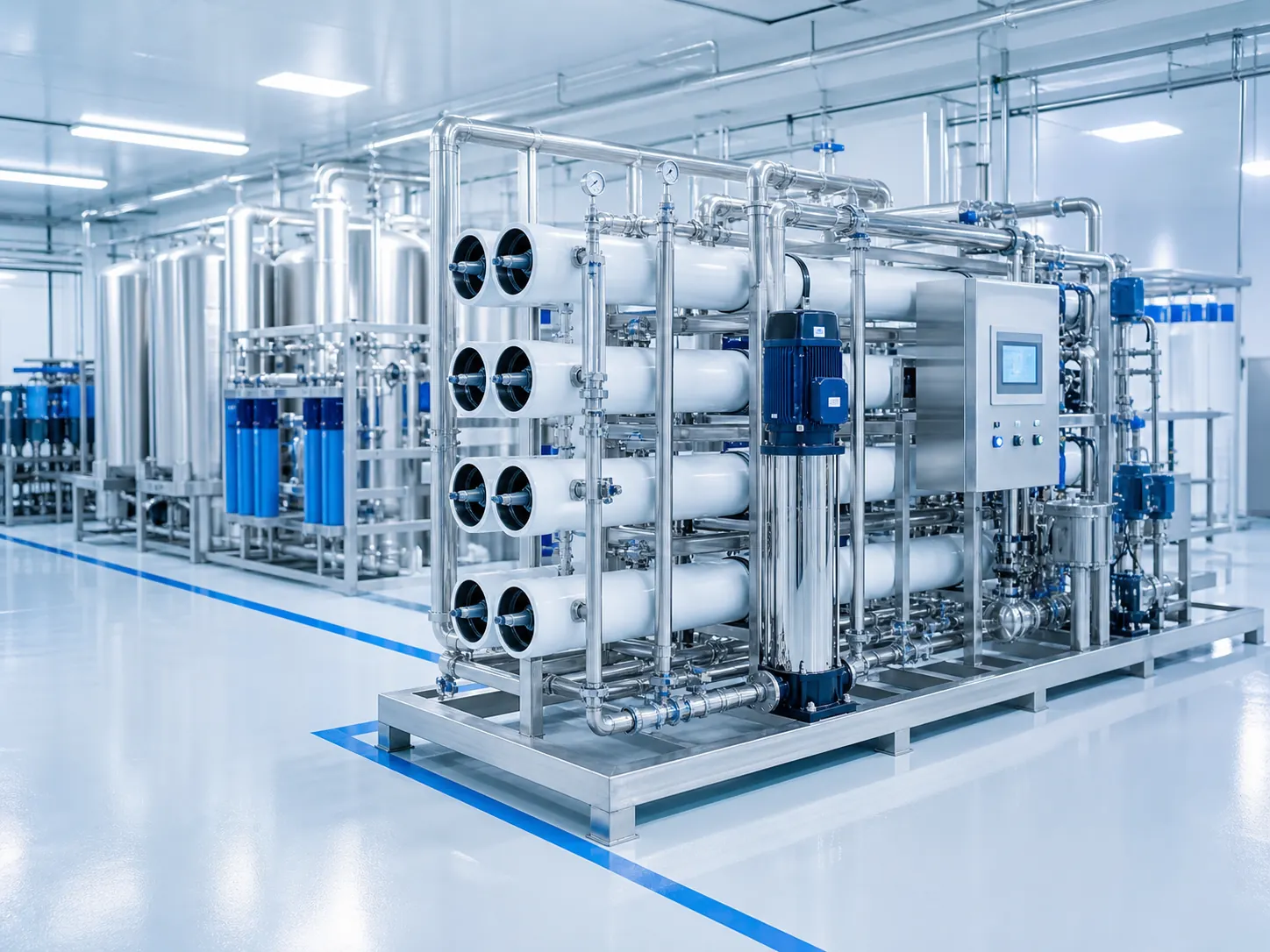
RO/NF/UF combinations reduce salt, organic and particle loads, creating stable conditions for downstream polishing.
ZERO series is used for concentration recovery and near-ZLD processes, suitable for high-salinity and high-concentration wastewater.
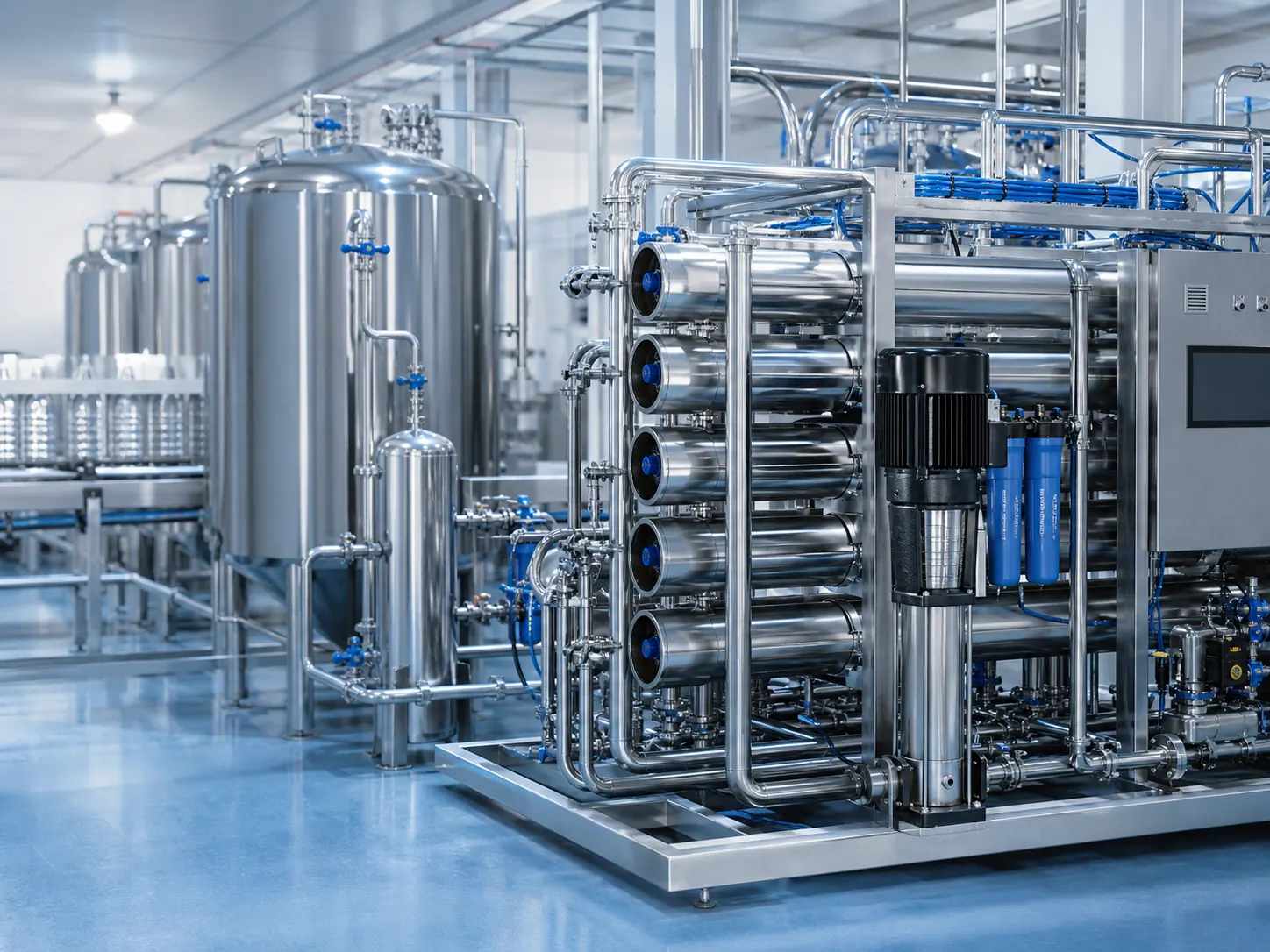
NF solutions are used for beverage recipe water and process-water purification, balancing hardness control and flavor retention.
Anti-fouling RO and high-pressure NF are combined for reuse-water upgrading and concentration, suitable for highly fluctuating conditions.
NF, UF and specialty membranes combine retention, desalting and concentration to reduce thermal processing and improve material utilization.
Share the feed source, water quality, capacity and product-water targets, and we can help define the product combination and selection limits.