
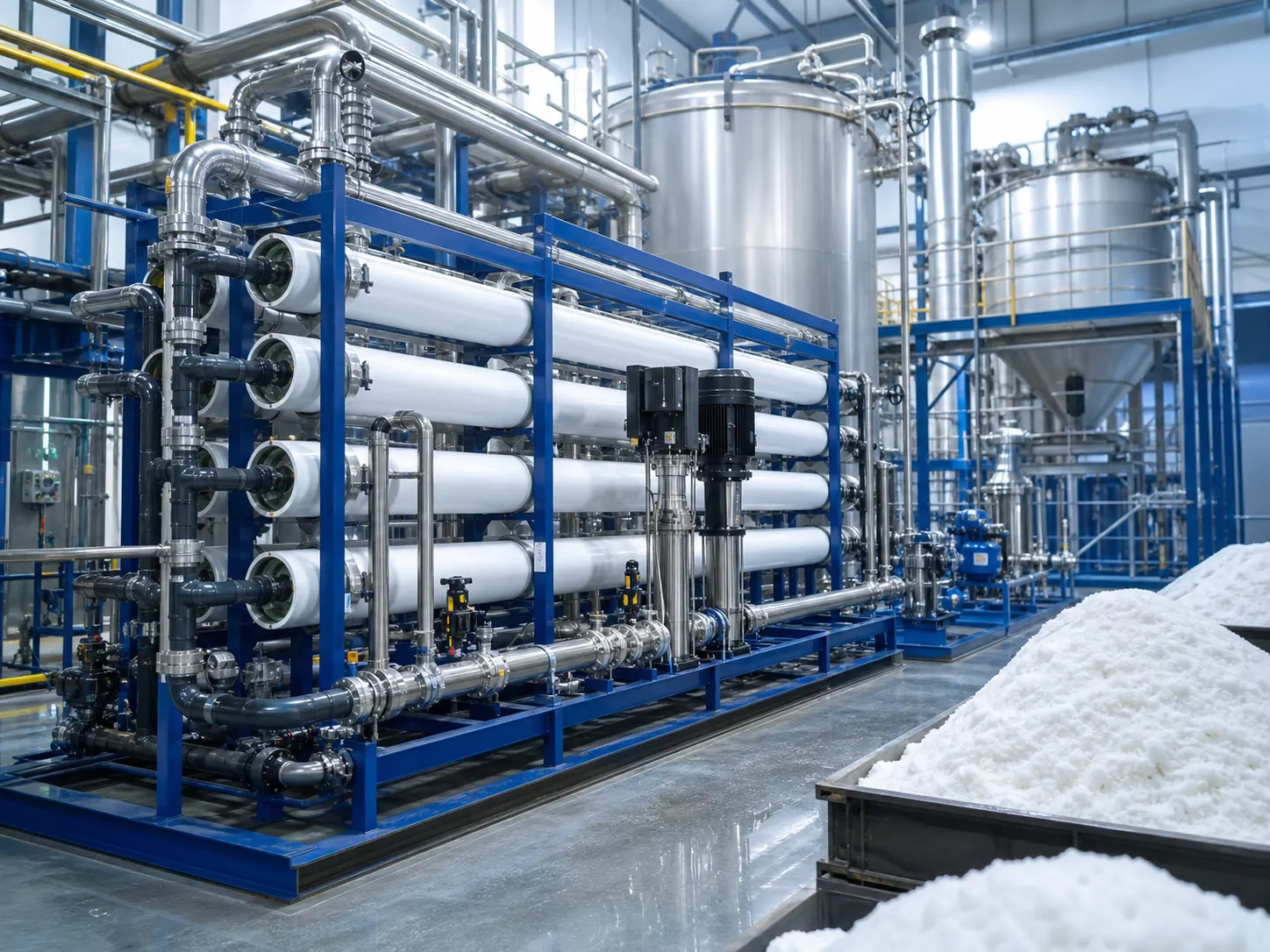
Industry Solution
Zero Liquid Discharge (ZLD)
Coal chemical wastewater, mine water and landfill leachate require high-salinity concentration and near-ZLD processes.
Industry Challenges
Extremely high salinity (tens of thousands ppm TDS), high osmotic pressure and complex wastewater composition.
Solution Design
ZERO high-pressure membranes cover 70-160 bar pressure classes, concentrating high-salinity wastewater before evaporation and greatly reducing evaporator load.
Recommended Configuration
Process Design
Zero Liquid Discharge (ZLD)Recommended Process
From raw-water pretreatment to product-water reuse and concentrate handling, this forms a complete technical route for further review.
Equalization, Hardness Removal and Silica Control
Balance water quantity and quality while controlling scaling/fouling factors such as hardness, silica and organics.
Clarification / UF
Remove precipitates, colloids and suspended solids to reduce fouling risk in high-recovery membrane stages.
Anti-fouling RO
Recover most of the water first while reducing the volume entering high-pressure stages.
High-pressure RO Concentration
Use ZERO series to further raise concentrate TDS and reduce evaporator feed volume.
MVR / Evaporation Concentration
Further concentrate high-salinity brine; distillate returns to the system after conditioning.
Crystallization and Dewatering
Crystallize salts and complete solid-liquid separation; solids are reused or disposed of according to properties.
The ZLD route should be based on full ion analysis, scaling tendency, salt destination and energy calculation. The boundary between membrane concentration and thermal systems should be decided by techno-economic comparison.
More Solutions
More Solutions
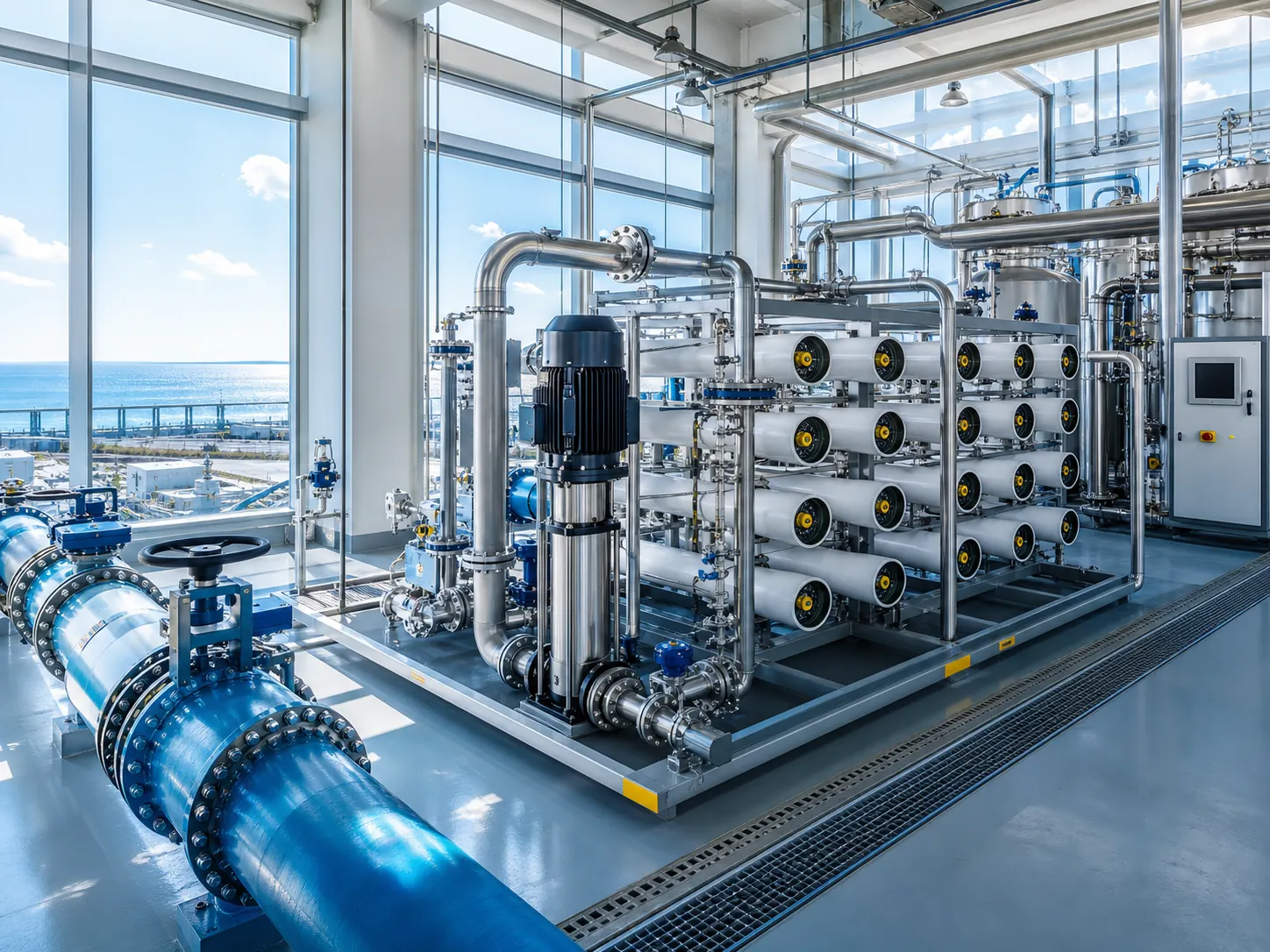
Seawater desalination
High-pressure seawater desalination membrane solutions for coastal industrial make-up water, island water supply and municipal backup sources.
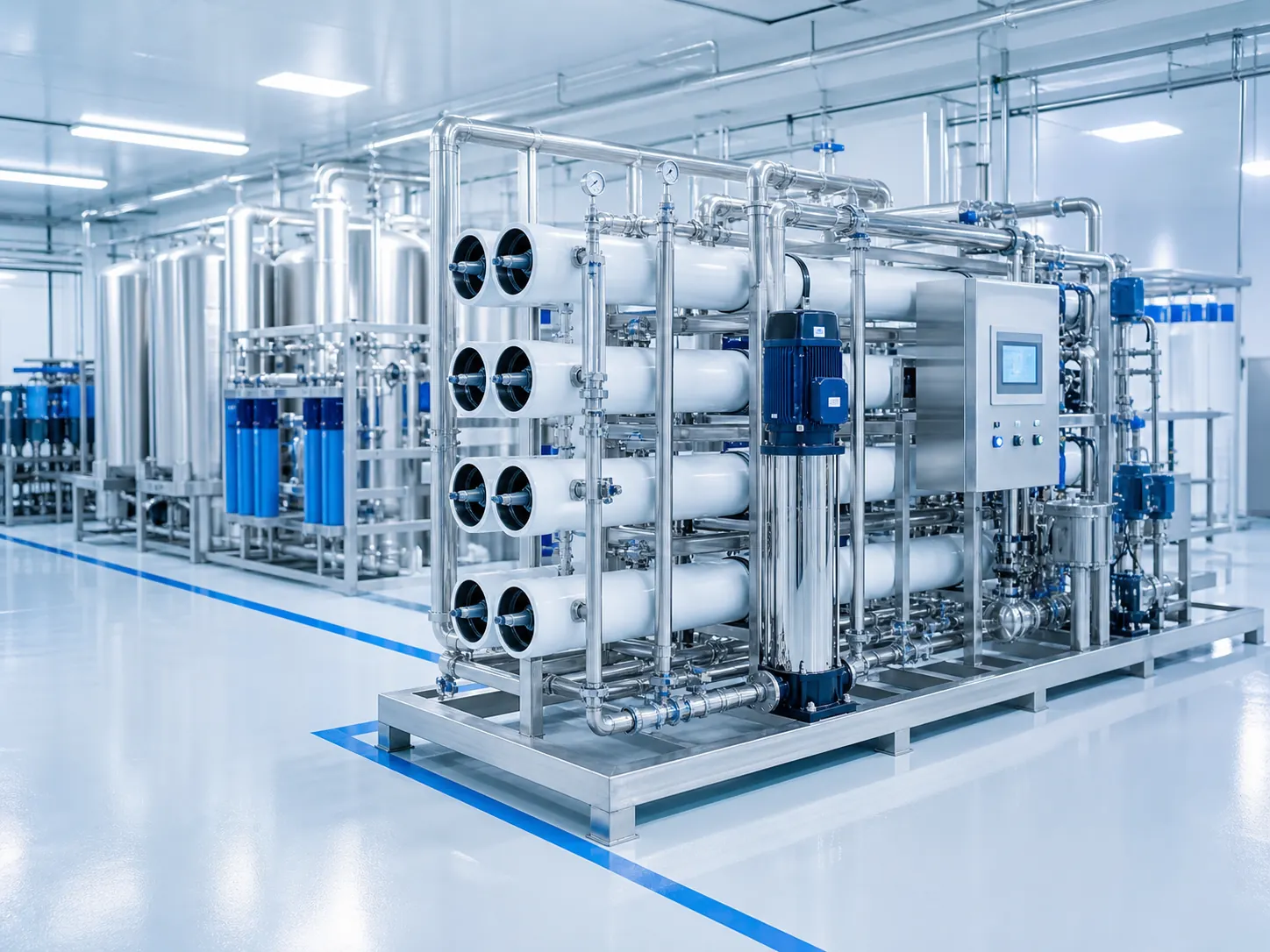
Electronics Ultrapure Water
Semiconductor, panel and photovoltaic manufacturing have very high requirements for ultrapure-water resistivity, TOC and particles.
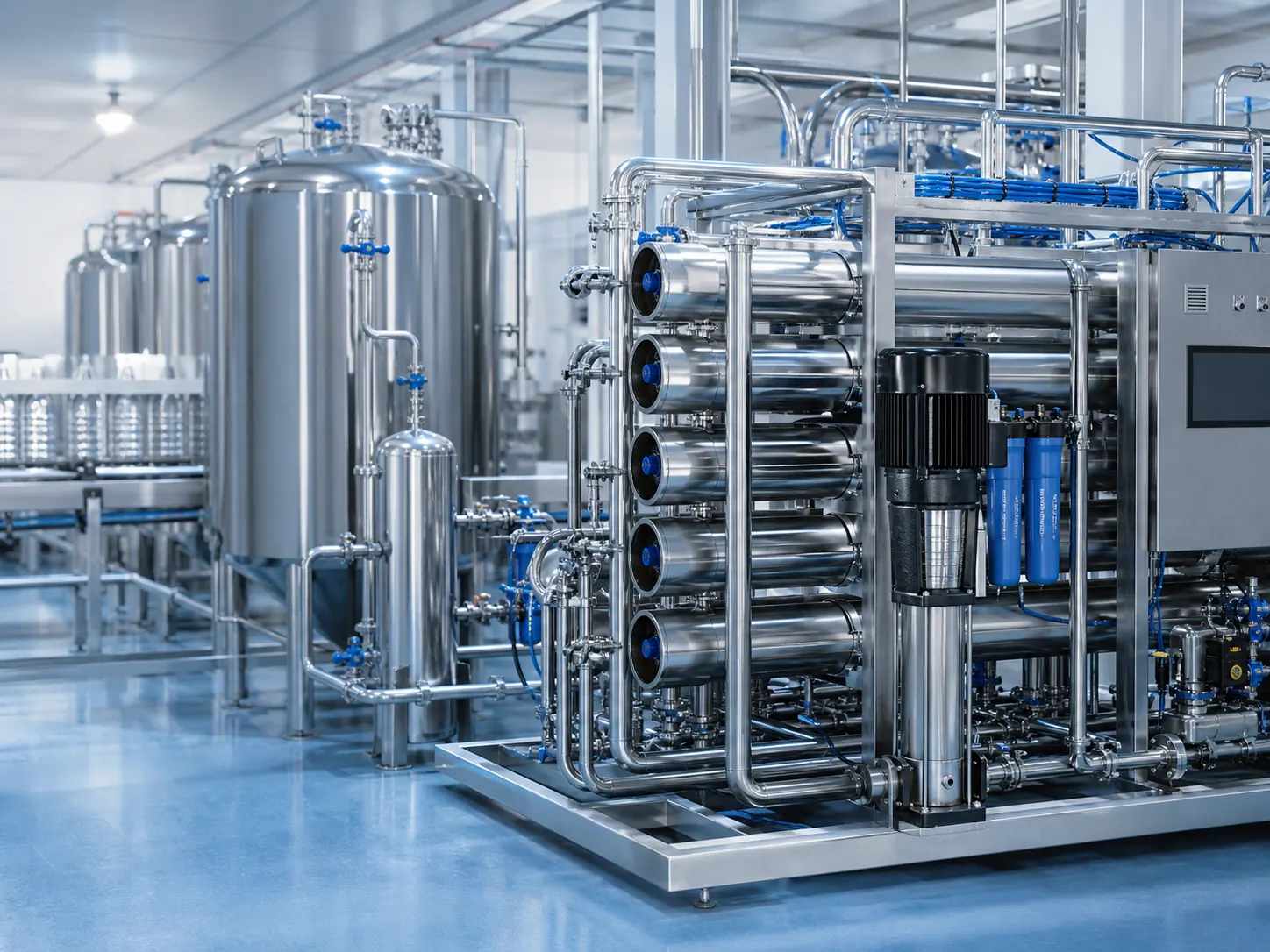
Food and beverage
Beverage recipe water, process water and CIP cleaning water must balance hardness control, taste retention and hygiene standards.
Need to further confirm solution boundaries?
Provide feed-water quality, capacity and product-water targets to get selection advice for the current project.